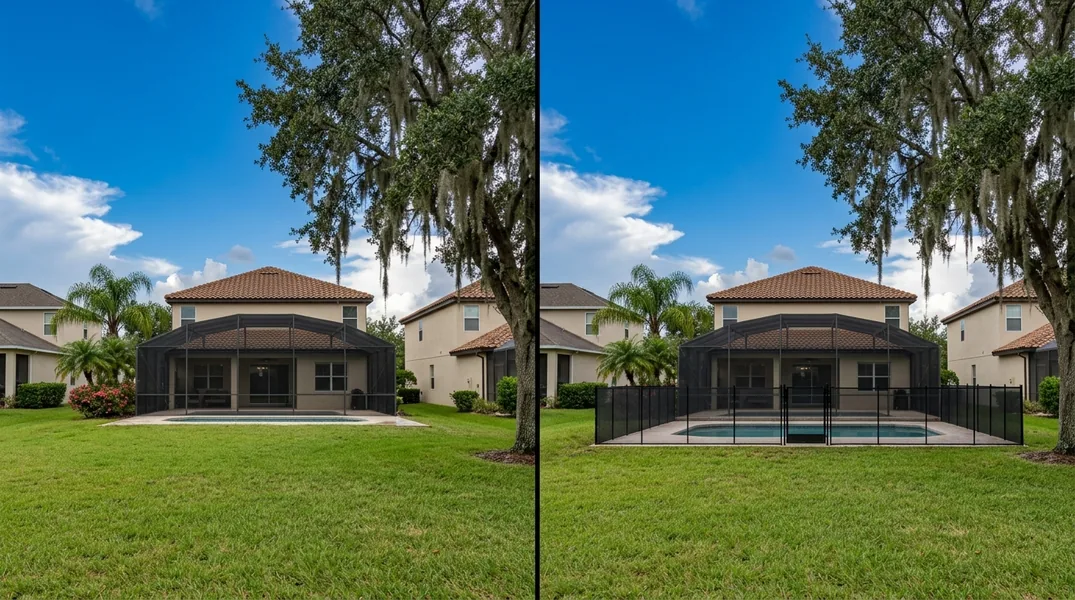
Understanding Florida Pool Fence Code Requirements
If you own a swimming pool in Orlando, Florida state law mandates that you install a proper pool enclosure to prevent accidental drowning, especially among young children. The Florida Building Code Section 427 sets specific standards for all residential pools, spas, and hot tubs. These requirements are not optional suggestions, they are legal obligations that every pool owner must follow, and failure to comply can result in fines, liability issues, and even criminal charges if an accident occurs.
The primary purpose of pool fence code requirements is child safety and drowning prevention. Florida's regulations are among the strictest in the nation because of the state's warm climate and year-round swimming season. Whether your pool is in-ground or above-ground, whether it's used year-round or seasonally, the code applies equally. Understanding these requirements before you install or upgrade your pool enclosure will save you time, money, and potential legal headaches down the road.
Pool Fence Height Requirements in Florida
One of the most critical specifications in Florida's pool fence regulations is the pool fence height requirements. According to the Florida Building Code, your pool fence must be at least 4 feet tall, measured from the ground to the top of the fence. This 4-foot minimum applies to all types of fencing materials, whether you choose Wood & Privacy Fence Installation, Vinyl & PVC Fence Installation, Chain Link Fence Installation, or Aluminum & Ornamental Iron Fencing.
The height requirement exists because research has shown that a 4-foot barrier significantly reduces the risk of young children gaining unsupervised access to the pool. However, height alone is not enough. The fence must also be constructed so that there are no gaps or openings larger than 4 inches at ground level or between vertical slats. This means that chain-link fencing must have a mesh size that prevents a child from squeezing through, and wood fencing must be installed with proper spacing and no deteriorated sections that could create access points.
Additionally, the fence cannot have horizontal members or protrusions on the pool side that would allow a child to climb over it. If your existing fence has horizontal rails or decorative elements on the pool side, you may need to modify or replace those sections to remain compliant. Many homeowners in Winter Park and surrounding areas have found that upgrading to a modern fence design not only meets code requirements but also enhances their property's appearance and value.
Self Closing Pool Gate Requirements and Installation
Perhaps the most frequently cited violation in Florida pool fence inspections involves improper gate installation. The law requires that every gate in your pool enclosure must be equipped with a self closing pool gate mechanism. This means the gate must automatically close and latch after someone passes through it, without requiring manual action. The gate cannot remain propped open, and it must close fully within 5 seconds of being released. This automatic closure is critical because it prevents the gate from being left open accidentally, which is one of the most common ways young children gain access to pools.
Your self-closing gate must also be self-latching, meaning it automatically locks into place without someone having to turn a handle or push an additional button. The latch mechanism must be located on the pool side of the gate, at least 54 inches above the ground level, making it inaccessible to small children. If you have an older pool fence with a standard push-open gate, upgrading to a compliant self-closing, self-latching gate is one of the most important safety improvements you can make. The gate must also swing outward, away from the pool, so that a child cannot swing it open by pushing from the pool side.
Installation of a proper self-closing gate requires precision and understanding of local codes. If you are unsure whether your current gate meets Florida requirements, it's wise to have a professional inspect it. Orlando Fence Company can evaluate your existing pool enclosure and recommend upgrades or repairs needed to bring your fence into full compliance. Call us at (689) 400-2205 or request a free estimate to discuss your pool fence situation.
Material Options and Durability Considerations for Pool Fences
When planning your pool fence installation, choosing the right material is essential for both compliance and long-term durability. Florida's intense sun, humidity, and occasional salt air exposure mean that your pool fence must be built to withstand these environmental challenges. Wood fencing is a popular choice in Orlando because it offers a classic aesthetic and can be stained or sealed to resist moisture and UV damage. However, wood requires regular maintenance, including annual sealing and inspections for rot or deterioration that could compromise the fence's integrity or create gaps that violate code.
Vinyl and PVC materials have gained popularity in recent years because they resist rot, require minimal maintenance, and hold their appearance over many years. These materials will not splinter, warp, or deteriorate like wood, and they are available in various colors and styles to match your home's design. Chain-link fencing is another durable option that offers affordability and visibility into your yard. Many homeowners choose to add vinyl slats to chain-link fencing to increase privacy while maintaining code compliance. Aluminum and ornamental iron fencing can also serve as pool enclosures, provided they meet height and spacing requirements.
The material you select will influence both the initial pricing and the long-term maintenance costs of your pool fence. While wood may have a lower upfront cost, vinyl and aluminum typically offer better value over time because they require fewer repairs and less maintenance. Orlando's humid climate is particularly hard on wood fencing, so many local homeowners find that investing in a more durable material saves money and hassle in the long run. Our team at Orlando Fence Company can help you evaluate which material best fits your budget, aesthetic preferences, and maintenance expectations.
Additional Pool Fence Compliance Features You Must Know
Beyond height, gates, and materials, Florida's pool fence regulations include several other important compliance features. Your pool enclosure must completely surround the pool, with no gaps or openings that would allow access. If your pool is adjacent to your home, the home itself can serve as one side of the enclosure, but all other sides must be properly fenced. Any doors or windows on the home that open directly onto the pool area must be equipped with self-closing, self-latching mechanisms as well, with the latch positioned at least 54 inches above the floor.
If you have a removable pool cover, it does not count as a substitute for a proper fence. Similarly, a pool alarm or supervision system alone is not sufficient, Florida law requires a physical barrier. You may use multiple layers of protection, such as combining a fence with an alarm system, but the fence itself is mandatory. Additionally, any pool toys, floats, or other items should not be left in the pool area in a way that could attract children to attempt to access the pool.
If you are uncertain whether your current pool enclosure meets all Florida requirements, a professional inspection is the best course of action. Different counties within the Orlando area may have additional local ordinances beyond the state code, so it's important to verify that your fence complies with both state and local regulations. Contact Orlando Fence Company today at (689) 400-2205 to schedule an inspection and ensure your pool fence meets all legal requirements.
How to Get Your Pool Fence Installation Done Right
Installing a new pool fence or upgrading an existing one to meet current code requirements is a significant project that demands expertise and attention to detail. Improper installation can leave your family legally vulnerable and compromise the safety benefits the fence is designed to provide. Working with an experienced local fence contractor ensures that your pool enclosure is installed correctly the first time, with all components meeting or exceeding Florida Building Code standards.
Orlando Fence Company has extensive experience installing and upgrading pool fences throughout Windermere, Winter Garden, and the greater Orlando area. Our team understands the specific code requirements, local inspection processes, and material options available to homeowners. Whether you need a complete new pool fence installation or repairs and modifications to bring an existing fence into compliance, we can help. We work with you to select materials that fit your budget and aesthetic while ensuring full legal compliance. Reach out to us today at (689) 400-2205 or visit our website to request a free estimate for your pool fence project. Our team is ready to answer your questions and help you protect your family.
Looking for a professional fence contractor in Orlando? Orlando Fence Company responds fast for all your fence needs.
Get a Free Quote